


















Budget-Friendly Exploration: Navigating the iHoverboard Entry-Level Hoverboard Series
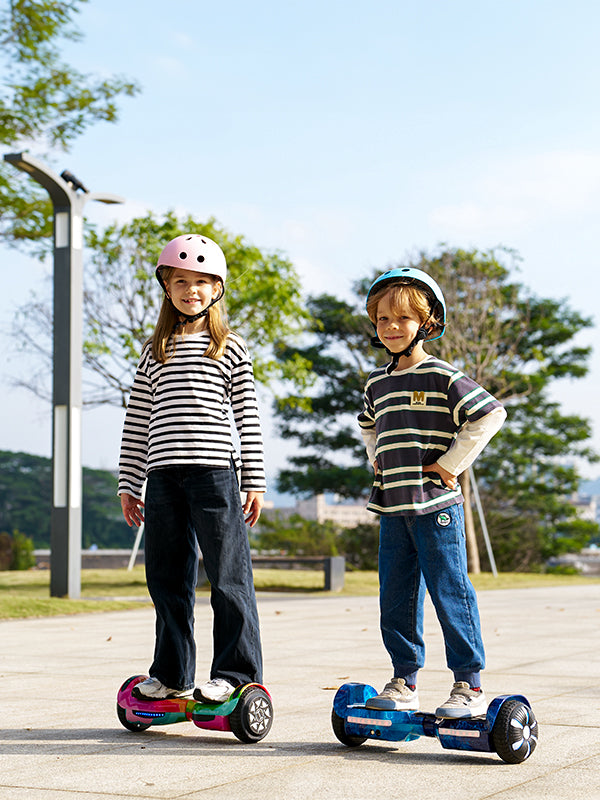
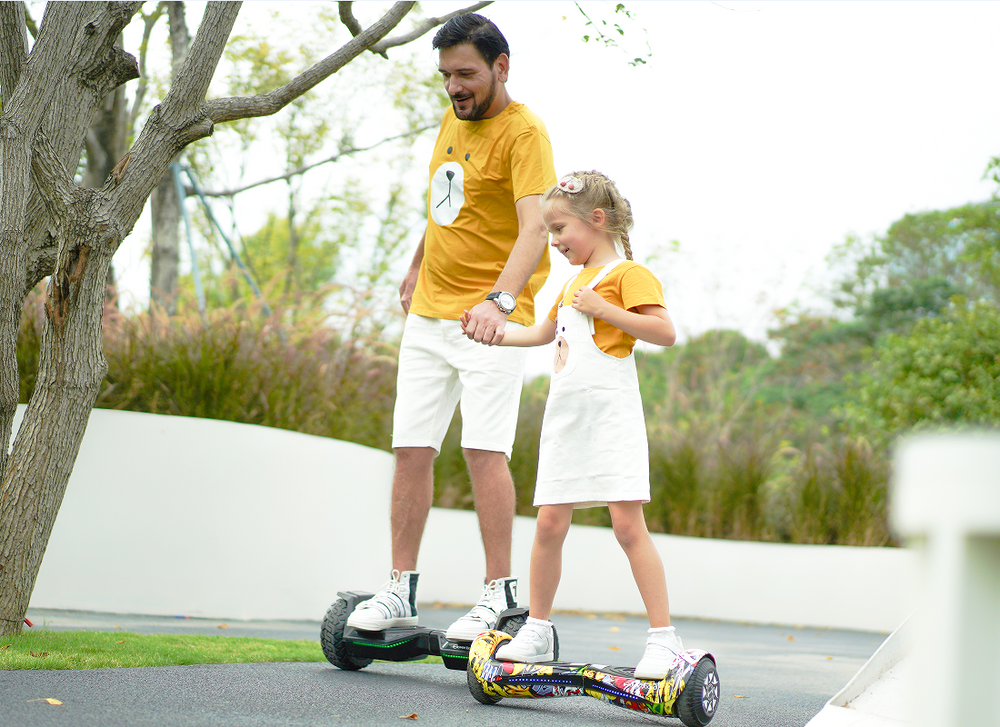
High value doesn't have to mean bare-bones features. The entry-line selection breaks the mold by integrating premium capabilities—like built-in wireless Bluetooth speakers and synchronized colorful LED ambient lights—directly into budget-conscious models. This approach ensures that choosing an ihoverboard hoverboard configuration means getting the exact same high-tech appeal found on far more expensive alternatives. To discover how these initial hardware configurations scale across the entire product ecosystem, you can browse through the full iHoverboard Collections to match rider weights with specific frame designs. What surprises most first-time buyers is how well the entry-level decks hold their structural alignment over time. Even at a highly accessible entry cost, the framework features solid steel structural spindles that prevent the two halves of the chassis from sagging or developing physical gaps after repeated curb drops. The integrated smart Bluetooth speaker channels are housed inside isolated acoustic chambers beneath the shell, ensuring that vibration from the electric hub motors doesn't cause audio distortion or internal wiring rattles while playing music on the go. For first-time riders, stability is everything. The H1 Self Balancing Hoverboard with Bluetooth is custom-engineered to deliver a secure learning curve, utilizing highly responsive internal gyroscopic sensors that engage the moment you step on the footpads. Weighing a lightweight 6.5 kg, it reaches safe, manageable speeds up to 6.8 mph (11 km/h). This intelligent balance system ensures a predictable, reassuring experience for anyone stepping onto an ihoverboard smart deck platform for the very first time. The H1's lightweight footprint is its secret superpower. Because the frame scales at just under 6.5 kg, a lighter child or beginner has the physical leverage required to command the board without fighting a massive block of rotating metal. The brushless 350W dual motor configuration delivers linear acceleration curves, preventing the sudden, aggressive jerks that usually trigger an early fall. If you want to dive deeper into how these motor groupings manage rolling acceleration metrics without over-draining battery juice, read through our detailed analytical breakdown on the Hoverboard Cheap Under £100 Guide. This log breaks down what safety hallmarks to prioritize when shopping within cost-effective parameters. Once riders master basic balance and structural handling, transitioning to the resilient iHoverboard H2 Bluetooth model provides an immediate performance upgrade. The H2 deck shifts the experience into higher gear with a robust 500W total dual-motor system (twin 250W brushless hub units), boosting max speeds to 7.5 mph (12 km/h). This added power ensures the board moves smoothly across diverse private terrain paths, tackling low grass lawns or paved brick driveways without stalling. To ensure safety grows alongside power, the H2 features an intuitive 3-mode speed governor system: The beauty of the H2 is its physical flexibility; it expands the maximum payload limit up to 100 kg (220 lbs). This structural headroom means that older teenagers or light adults can confidently climb aboard without worrying about bottoming out the chassis geometry or overheating the internal drive FETs. True cost-effectiveness requires durability over time. Both series are built with impact-resistant composite frames, solid rubber puncture-proof tires, and temperature-controlled 36V lithium-ion batteries engineered to maximize battery life cycles. For extensive maintenance strategies and insights into optimizing your system's battery range, explore the iHoverboard News Blog for expert upkeep tips, battery care manuals, and localized safety tutorials. By focusing on clever firmware engineering and rigid build quality, the H1 and H2 series prove that you can achieve daily riding freedom and high structural reliability without breaking the bank. The implementation of high-efficiency solid tires is particularly valuable for budget conscious households. Pneumatic options offer natural shock absorption but are constantly vulnerable to sharp thorns, glass shards, and slow valve leaks. Using custom vulcanized solid rubber compounds ensures the wheels remain completely immune to punctures, eliminating maintenance down-time and extra tyre replacement bills. To ensure your entry-level self-balancing platform tracks your movements perfectly and prevents unexpected deck listing, execute this quick system recalibration sequence before your first session: Stepping into the world of personal electric mobility doesn't require spending thousands on professional-grade commuter setups. By prioritizing verified safety ratings, smart motor configurations, and impact-resistant frames, the iHoverboard entry collection delivers premium electronic thrills with total financial peace of mind. Keeping your personal adventures restricted to private terrain, driveways, and garden tracks ensures you stay fully compliant with local UK transport frameworks while maximizing the life of your hardware. As you begin your journey, remember that regular, simple maintenance is the definitive key to extending the life of your entry-tier machine. Wiping down the rubber footpads with a damp cloth to prevent dirt build-up over the sensor joints, avoiding moisture ingress, and executing a quick gyro recalibration after a hard tumble will keep your deck running smoothly for seasons to come. Choose the specific platform size that matches the weight category of your primary rider, strap on a quality helmet, and enjoy the smooth, intuitive thrill of a certified smart-balancing ride. The H1 entry frame features a structural maximum rider weight capacity of up to 119 lbs (approximately 54 kg), making it optimally designed and weight-calibrated for younger or lighter riders. Exceeding this physical boundary can strain the brushless hub motors, cause the battery pack to deplete prematurely, and reduce the overall responsiveness of the gyroscopic sensors. The H1 and H2 series utilize advanced electronic electromagnetic braking systems. Instead of manual brake levers and mechanical disc calipers, deceleration is completely controlled by the internal self-balancing system reacting seamlessly to the rider's shifting center of gravity. Gently leaning your weight back through your heels causes the motor controllers to reverse magnetic polarity within the hub wheels, bringing the platform to a smooth, controlled, and progressive stop. The high-efficiency 36V lithium-ion battery configurations inside the H1 and H2 series require roughly 2 to 3 hours to achieve a full 100% charge from an empty state. To maintain optimal cell health over years of operation, always use the original smart charger supplied by iHoverboard and unplug the device once the charging indicator light transforms from solid red to green.Demystifying Value with the Reliable iHoverboard Entry Line
Why Beginners Start with a Responsive iHoverboard H1 Setup
Step-Up Power: Upgrading to the Resilient iHoverboard H2 Deck Easily
Cost-Effective Commuting Without Risking Build Safety Metrics
Essential Calibration Protocol for Entry-Level Electronics
Securing Long-Term Performance on a Budget
Frequently Asked Questions
What is the maximum rider weight limit capacity on the H1 entry frame?
Do the H1 and H2 series utilize mechanical disc brakes or electronic brakes?
How long does the entry-level lithium battery take to recharge fully?






Still, need help? Contact Us: support@ihoverboard.com
What's the option? Check out the option now!
Leave us a message