




















![Are Walking Pads Good for Weight Loss? [Expert Tips & Benefits]](http://www.ihoverboard.co.uk/cdn/shop/articles/3eda0227-bb14-436d-9210-d0a7a2eae4df_{width}x.jpg?v=1772589412)
Are Walking Pads Good for Weight Loss? [Expert Tips & Benefits]
Are Walking Pads Good for Weight Loss? [Expert Tips & Benefits]
Are walking pads good for weight loss? These compact, under-desk treadmills are designed to help you stay active throughout the day, even while working or at home. By increasing daily steps and reducing sedentary time, walking pads support steady calorie burn and healthier habits. In this guide, we’ll explore how walking pads work, their benefits, and how they can fit into a sustainable weight loss plan.
What Is a Walking Pad and How Does It Work?
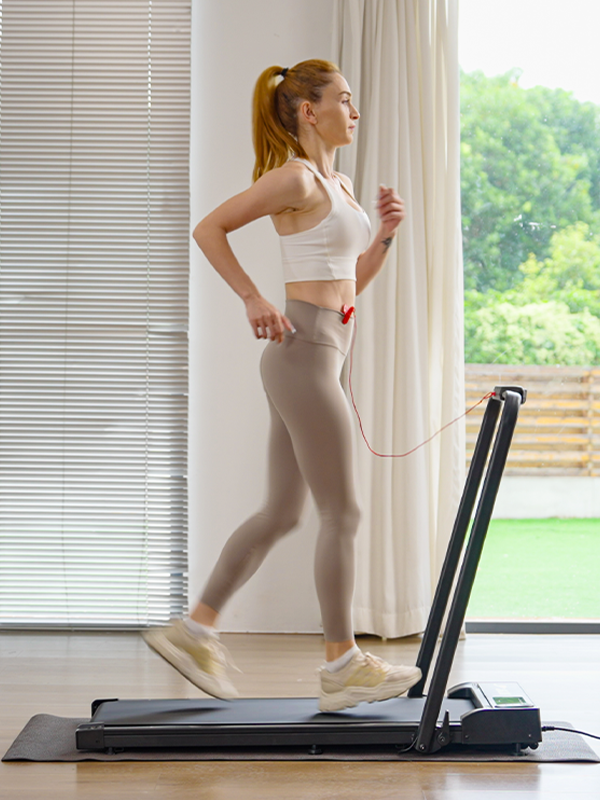
A walking pad is a compact, motorised walking machine designed for light to moderate walking rather than running. It is slimmer and more portable than a traditional treadmill, which makes it easy to use at home or in an office environment. Many people place a walking pad under a standing desk so they can stay active while working, reading, or watching TV.
To understand are walking pads good for weight loss, it helps to know how they function. Walking pads are built to support steady, low-impact movement throughout the day instead of short, high-intensity workouts. This makes them especially suitable for beginners, office workers, and anyone looking to move more without putting extra stress on their joints.
Most walking pads use an electric motor to drive a moving belt at controlled speeds. These speeds are usually set for comfortable walking, allowing users to walk for longer periods without getting overly tired. Speed adjustments are typically made using a remote control, a simple control panel, or a mobile app, depending on the model.
In terms of design, walking pads are minimal and space-saving. They usually feature a flat or lightly cushioned walking surface to reduce impact on the ankles and knees. Many models do not have fixed handrails, which helps keep the profile low enough to slide under furniture when not in use. Some walking pads may include optional or foldable handles for added balance.
From a weight loss perspective, walking pads help by turning normally inactive time into active time. By increasing daily step count and reducing long periods of sitting, they support steady calorie burn and healthier daily habits. This is why many people researching are walking pads good for weight loss see walking pads as a practical tool for consistent, long-term progress rather than quick results.
Are Walking Pads Good for Weight Loss Compared to Other Exercise?
When asking are walking pads good for weight loss, it helps to compare them with other forms of exercise. Weight loss happens when you burn more calories than you consume, and different activities vary in intensity and calorie burn.
Walking Pads vs Treadmills:
Treadmills allow faster speeds and higher inclines, which can burn more calories per hour than walking pads. However, walking pads are more convenient and easier to use consistently, letting you accumulate more daily steps over time.
Walking Pads vs Outdoor Walking:
Outdoor walking burns similar calories if pace and duration are the same, but weather and scheduling can limit consistency. Walking pads let you walk anytime, indoors, making it easier to build daily habits.
Walking Pads vs High-Intensity Exercise:
High-intensity workouts burn more calories quickly, but they can be hard to sustain daily and may strain joints. Walking pads offer low-impact, easy movement that can be maintained consistently, which adds up over time.
Bottom line:
Walking pads may not replace intense exercise, but they increase daily activity, reduce sedentary time, and support steady calorie burn. For consistent, long-term weight loss, they are a practical and accessible tool, especially when combined with a healthy diet and active lifestyle.
How Walking Pads Support Weight Loss Goals
Walking pads are an effective tool for supporting weight loss, not by providing high-intensity workouts, but by helping users increase daily activity and reduce sedentary behavior. Understanding how they contribute to weight loss can help you use them more effectively.
1. Increase Daily Step Count
Most adults spend hours sitting each day, which slows metabolism and reduces calorie expenditure. Walking pads allow you to walk while working, watching TV, or doing other tasks, helping you accumulate thousands of steps throughout the day. Even slow walking adds up — studies show that adding just 4,000–5,000 extra steps per day can support gradual weight loss when combined with a healthy diet.
2. Reduce Sedentary Time
Extended periods of sitting are linked to weight gain and metabolic issues. Walking pads break up long sitting sessions, allowing you to move more consistently. Regular, low-intensity movement keeps your metabolism active and helps your body burn more calories throughout the day, even at a slow pace.
3. Promote Consistent Activity
Unlike intense exercise that may require motivation, preparation, or a gym visit, walking pads integrate activity into your daily routine. By making movement convenient and accessible, they help users stick to a habit — and consistency is key for long-term weight loss.
4. Encourage Low-Impact, Joint-Friendly Movement
Walking pads provide a cushioned walking surface that is gentler on joints compared to walking on hard pavement. This allows people of different fitness levels or body types to walk for longer periods without discomfort, increasing the total calories burned over time.
5. Support Overall Lifestyle Changes
Using a walking pad encourages healthier daily habits beyond weight loss. It helps reduce stress, improve mood, and increase mental focus, which can indirectly support weight management by promoting better food choices, reducing emotional eating, and keeping you motivated to stay active.
In summary: Walking pads support weight loss by increasing daily steps, reducing sedentary time, and promoting consistent, low-impact activity. While they may not burn as many calories as high-intensity workouts, their convenience and ease of use make them a practical tool for gradual and sustainable weight loss.
How Many Calories Can You Burn on a Walking Pad?
One of the most common questions when people ask are walking pads good for weight loss is how many calories they can actually burn. While walking pads don’t offer the same high-intensity workout as running or HIIT, they can still contribute meaningfully to calorie expenditure, especially when used consistently.
Factors That Affect Calorie Burn
The number of calories burned on a walking pad depends on several factors:
-
Walking Speed: Faster walking speeds naturally burn more calories. Most walking pads allow speeds between 1–6 km/h (0.6–3.7 mph). Even at a slower pace, consistent movement throughout the day adds up.
-
Duration: The longer you walk, the more calories you burn. Using a walking pad for 30–60 minutes spread across the day can significantly increase total calorie expenditure.
-
Body Weight: Heavier individuals burn more calories while walking at the same pace compared to lighter individuals.
-
Incline: Some walking pads offer adjustable inclines, which increase the intensity and calorie burn. Even a 2–3% incline can make a noticeable difference over time.
Approximate Calorie Burn
As a general guide:
-
Slow walking (2 km/h / 1.2 mph): around 100–150 calories per hour
-
Moderate walking (4 km/h / 2.5 mph): around 200–250 calories per hour
-
Brisk walking (6 km/h / 3.7 mph): 300+ calories per hour
These numbers vary based on the factors above, but the key is consistency. Walking for 30–60 minutes a day, even at a low intensity, can add hundreds of calories burned per week, supporting gradual weight loss.
How Walking Pads Fit Into a Weight Loss Plan
While walking pads alone are unlikely to cause rapid weight loss, they help:
-
Increase daily activity to reduce sedentary time
-
Support NEAT (Non-Exercise Activity Thermogenesis) — calories burned from daily movement
-
Build sustainable habits for long-term results
Using a walking pad regularly, combined with a balanced diet and occasional higher-intensity exercise, can help you gradually create a calorie deficit — the foundation of weight loss.
In short: A walking pad is a practical tool for steady calorie burn. It may not replace a treadmill or running session, but its convenience and ability to integrate movement into your daily routine make it an effective support for weight loss goals.
How Long and How Often Should You Use a Walking Pad for Weight Loss?
Once you understand how walking pads support weight loss and how many calories they can burn, the next question is: how long and how often should you use one to see results? The key to weight loss with a walking pad is consistency, duration, and gradually increasing activity over time.
Start Slowly and Build Up
If you are new to using a walking pad, start with short sessions to let your body adjust. For example:
-
Begin with 5–10 minutes per session at a slow pace (1–2 km/h or 0.6–1.2 mph)
-
Focus on maintaining good posture and walking steadily
-
Gradually increase session length by 5 minutes every few days or each week
Starting slow helps prevent fatigue, soreness, or strain on joints, especially if you have been mostly sedentary.
Ideal Duration for Weight Loss
For effective weight loss, experts recommend aiming for 30–60 minutes of walking per day. This can be broken into multiple sessions throughout the day, such as:
-
10 minutes in the morning
-
15–20 minutes during work breaks
-
15–20 minutes in the evening
The total daily movement matters more than doing it all at once. Regular, moderate activity throughout the day helps maintain metabolism and keeps calorie burn steady.
How Often to Walk
-
Daily use is ideal, as walking pads are designed to replace sedentary time and encourage NEAT (non-exercise activity thermogenesis)
-
Even 3–5 days per week is beneficial if you maintain consistent sessions
-
Incorporate short walking breaks every 30–60 minutes if you work at a desk, as this helps reduce prolonged sitting and keeps your metabolism active
Tips for Maximum Effectiveness
-
Use the highest comfortable speed that allows steady movement without straining yourself
-
Include intervals or incline adjustments (if your walking pad supports it) to increase intensity gradually
-
Combine walking pad use with balanced nutrition and other physical activity for better results
Bottom Line
Using a walking pad consistently, even at a moderate pace, can make a meaningful contribution to your weight loss goals. The best approach is daily, sustainable movement, gradually increasing duration and intensity while integrating it into your lifestyle. Over time, these small, consistent efforts add up to significant calorie burn and long-term results.
Walking Pad Benefits Beyond Weight Loss
While walking pads are often used to support weight loss, their benefits extend far beyond burning calories. They offer a variety of physical, mental, and lifestyle advantages that make them a valuable addition to your daily routine, whether at home or in the office.
1. Increased Physical Activity and Wellness
Sitting for long periods is linked to health issues such as heart disease, poor circulation, and metabolic problems. Walking pads help replace sedentary time with gentle movement, improving overall physical activity levels. Regular use can strengthen muscles in your legs, improve joint mobility, and support better posture — all of which contribute to general wellness.
2. Reduced Stress and Improved Mood
Movement has a natural effect on stress reduction and mental well-being. Using a walking pad regularly can help lower stress levels, release tension, and improve your mood. Studies show that even low-intensity walking can reduce feelings of anxiety and enhance emotional health, making walking pads a useful tool for mental wellness in addition to physical health.
3. Enhanced Focus and Cognitive Function
Walking pads allow you to stay active while performing tasks such as reading, working, or attending online meetings. Research indicates that light activity can improve attention, memory, and mental clarity. Many users report feeling more alert and focused after walking sessions, which can enhance productivity and cognitive performance throughout the day.
4. Joint-Friendly, Low-Impact Exercise
Unlike running or high-intensity workouts, walking pads provide low-impact exercise that is gentle on the knees, hips, and ankles. The cushioned walking surface absorbs impact, making it suitable for people of all ages and fitness levels. This low-impact nature encourages longer sessions and more frequent use without risk of injury.
5. Flexibility and Convenience
Walking pads are compact and portable, fitting easily under desks or in small living spaces. This convenience allows you to incorporate walking into your daily routine without needing a gym membership or special equipment. The ability to walk while working or watching TV makes it easier to stay active consistently.
6. Support for Long-Term Healthy Habits
By integrating movement into everyday life, walking pads encourage sustainable lifestyle changes. They make it easier to build the habit of daily activity, which can support other health goals beyond weight loss, including improved cardiovascular health, better metabolism, and increased energy levels.
In summary:
Walking pads do more than help with weight loss. They promote physical activity, reduce stress, support mental clarity, protect your joints, and encourage healthy habits that can improve overall quality of life. This combination of benefits makes walking pads a versatile and practical tool for anyone looking to lead a healthier, more active lifestyle.
Conclusion
Walking pads are a practical and accessible way to increase daily activity, reduce sedentary time, and support gradual weight loss. While they may not burn calories as quickly as running, high-intensity workouts, or traditional treadmills, their convenience, low-impact design, and ability to fit into your everyday routine make them an effective tool for long-term results.
Beyond weight loss, walking pads offer multiple health benefits, including improved joint mobility, reduced stress, enhanced focus, and overall wellness. By integrating movement into work, home, or leisure activities, they help create sustainable habits that contribute to a healthier lifestyle.
For those seeking a realistic, consistent, and low-impact approach to becoming more active, walking pads provide a simple solution that fits seamlessly into daily life. When paired with a balanced diet and occasional higher-intensity exercise, they can play an important role in achieving weight loss goals and improving overall health.
In short: Walking pads may not replace intense workouts, but their convenience, consistency, and holistic health benefits make them a valuable tool for anyone looking to move more, burn calories steadily, and support long-term weight loss.








Still, need help? Contact Us: support@ihoverboard.com
What's the option? Check out the option now!
Leave us a message