





















![Are Electric Bikes Included in Cycle to Work Scheme? [UK Guide 2026]](http://www.ihoverboard.co.uk/cdn/shop/articles/1_7bc35305-d8f3-4001-b29d-096da1c690c5_{width}x.png?v=1773198308)
Are Electric Bikes Included in Cycle to Work Scheme? [UK Guide 2026]
Are Electric Bikes Included in Cycle to Work Scheme? [UK Guide 2026]
Are electric bikes included in Cycle to Work Scheme? With the rise of pedal-assist e-bikes, many UK commuters are wondering if they can get tax-free savings while enjoying an easier, eco-friendly ride. In this guide, we’ll explain which electric bikes qualify, the rules you need to follow, and how to choose an EAPC-compliant model like iHoverboard for your daily commute. Understanding these details ensures you can make the most of the scheme while staying fully compliant.
Understanding the Cycle to Work Scheme
The Cycle to Work Scheme is a UK government-backed initiative designed to encourage employees to commute by bicycle while saving money on travel costs. Through the scheme, employees can obtain a bicycle and accessories via a salary sacrifice arrangement, meaning the cost of the bike is deducted from your pre-tax salary. This can result in significant tax and National Insurance savings, making cycling an affordable and sustainable commuting option.
Many people now ask, “are electric bikes included in Cycle to Work Scheme?” The good news is that they are, but only if the e-bike meets certain legal and technical standards known as Electrically Assisted Pedal Cycle (EAPC) requirements. These rules ensure that the bike provides safe pedal-assisted power without exceeding speed or motor limits.
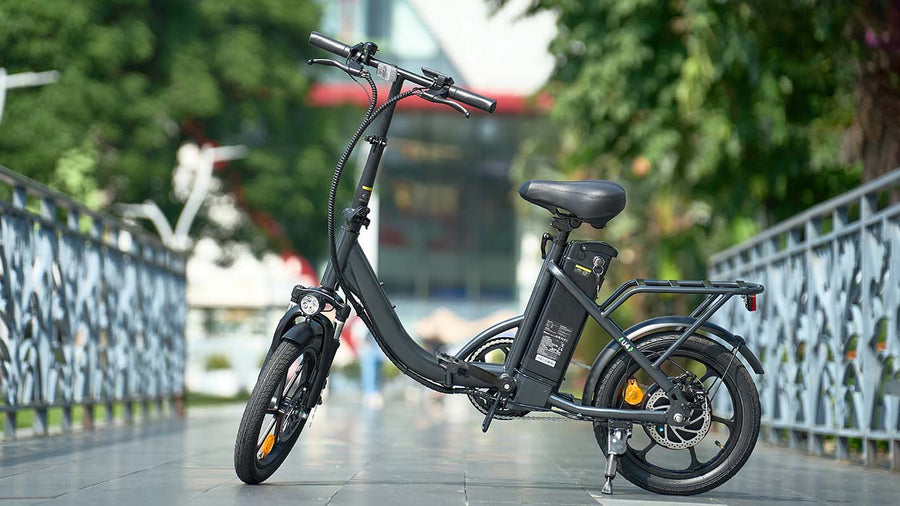
The scheme isn’t just for traditional bicycles anymore. Modern electric bikes, like iHoverboard models, make commuting longer distances or hilly routes much easier, giving employees the option to enjoy a comfortable and efficient ride without compromising their exercise. However, it’s crucial to understand that not all e-bikes available on the market are eligible. Only those classified as EAPCs—meaning they have pedals, a motor limited to 250 watts, and assistance cutting off at 15.5 mph—can be included in the Cycle to Work Scheme.
By understanding how the scheme works and the eligibility criteria for electric bikes, employees can confidently choose the right bike, maximize their savings, and benefit from a greener, healthier commuting option.
What Makes an E-Bike Eligible?
When asking, “are electric bikes included in Cycle to Work Scheme?”, it’s important to understand that not all e-bikes qualify. The scheme only covers electric bikes that meet the Electrically Assisted Pedal Cycle (EAPC) standards, which are set by UK law to ensure safety, legality, and proper use for commuting.
Pedal Assistance Is Required
To qualify, an e-bike must be fitted with pedals that allow the rider to propel the bike manually. This ensures that the electric motor is pedal-assist only, rather than fully motor-powered. Bikes that rely entirely on a throttle or motor without pedaling are not eligible for the scheme.
Motor Power Limit
The e-bike’s electric motor must have a maximum continuous rated power of 250 watts. This limit ensures that the bike provides assistance without exceeding safe and legal power thresholds. Motors exceeding this wattage are classified as electric mopeds and cannot be included in the Cycle to Work Scheme.
Speed Restriction
The electric assistance must automatically cut off when the bike reaches 15.5 miles per hour (25 km/h). This speed cap ensures the bike remains a pedal-assisted cycle rather than a high-speed motor vehicle. Bikes that provide motor assistance beyond this limit are not considered EAPCs and are therefore ineligible.
Why Some E-Bikes Are Not Eligible
While there are many products labeled as “e-bikes” or “e-cycles,” not all meet the EAPC criteria. Some may have higher-powered motors, throttle-only control, or lack the necessary pedal mechanism. It’s particularly important to verify eligibility before purchasing online, as the responsibility lies with the employee to ensure the e-bike qualifies under the scheme.
Confirming EAPC Compliance
To avoid any issues, it’s recommended to purchase your e-bike from an approved Cycle to Work scheme retailer. These retailers can confirm in writing that your chosen e-bike meets all EAPC standards. Brands like iHoverboard offer models specifically designed to comply with the scheme, making it easier for employees to confidently select a qualifying electric bike.
Understanding these eligibility requirements is crucial for anyone considering an electric bike under the scheme. By ensuring your e-bike meets the EAPC criteria, you can take full advantage of the Cycle to Work Scheme and enjoy a safe, cost-effective, and environmentally friendly commute.
How to Choose the Right E-Bike for the Scheme
If you’ve been wondering “are electric bikes included in Cycle to Work Scheme?”, the next step is knowing how to select the right e-bike that fully qualifies. Choosing an eligible e-bike is crucial to ensure compliance with the scheme, avoid unexpected costs, and make the most of your tax-free savings.
1. Check EAPC Compliance
The most important factor is confirming that the e-bike meets Electrically Assisted Pedal Cycle (EAPC) standards. This includes:
-
Pedal-assist functionality—manual pedaling must activate the motor.
-
Motor power no greater than 250 watts.
-
Assistance that cuts off at 15.5 mph (25 km/h).
Before purchasing, always verify the e-bike’s technical specifications. Approved Cycle to Work retailers can confirm EAPC compliance, providing written confirmation to avoid issues during the scheme process.
2. Choose a Trusted Scheme Retailer
Buying through a Cycle to Work approved retailer is highly recommended. These retailers are familiar with scheme rules and can guide you toward eligible models. They also handle the necessary paperwork to process your purchase through salary sacrifice. This reduces the risk of buying an e-bike that might not qualify.
3. Consider Your Commuting Needs
Think about the type of commute you have:
-
Distance: Longer commutes benefit from larger battery capacity.
-
Terrain: Hilly areas may require more torque and better pedal-assist levels.
-
Storage: Consider bike size, weight, and foldable options if you have limited space at home or work.
E-bikes like iHoverboard models are designed to meet commuting needs while staying fully compliant with scheme requirements, making them an ideal choice for everyday riders.
4. Verify Accessories and Add-Ons
Many Cycle to Work schemes allow you to include accessories such as helmets, lights, locks, or panniers in your purchase. Make sure these items are also listed with the retailer and eligible under the scheme, so you can maximize your tax-free savings.
5. Confirm Eligibility in Writing
Finally, always request written confirmation from the retailer that your chosen e-bike is EAPC-compliant. This ensures there are no issues when processing the salary sacrifice with your employer and guarantees that your purchase adheres to Cycle to Work rules.
By carefully selecting an EAPC-compliant e-bike through an approved retailer, you can fully benefit from the scheme’s financial and environmental advantages. Understanding these steps makes it easier to answer the question, “are electric bikes included in Cycle to Work Scheme?” with confidence, knowing your choice is safe, legal, and cost-effective.
Benefits of Getting an Electric Bike Through the Scheme
Many employees ask, “are electric bikes included in Cycle to Work Scheme?”, and understanding the benefits of using an e-bike under the scheme can help make the decision even easier. Choosing an EAPC-compliant electric bike through the Cycle to Work Scheme offers significant financial, health, and environmental advantages.
1. Significant Cost Savings
The Cycle to Work Scheme allows employees to purchase a bike and accessories tax-free through salary sacrifice, reducing both Income Tax and National Insurance contributions. By choosing an electric bike, you can save hundreds—or even thousands—of pounds compared to buying one outright. E-bikes like iHoverboard models are fully compliant with the scheme, making it easier to maximize your savings without compromising on quality or performance.
2. Easier, More Comfortable Commuting
Electric bikes provide pedal-assist power, making commuting less physically demanding while still giving you moderate exercise. This is particularly helpful for:
-
Long commutes
-
Hilly routes
-
Carrying heavy loads like work equipment or groceries
With pedal-assist, you can arrive at work feeling fresh and ready, rather than exhausted from a traditional bike ride.
3. Health and Fitness Benefits
Even with electric assistance, riding an e-bike still counts as moderate physical activity. Regular cycling can improve cardiovascular health, increase stamina, and help maintain a healthy weight. Using the Cycle to Work Scheme to obtain an e-bike encourages a healthier lifestyle, blending convenience with fitness.
4. Environmentally Friendly Travel
Commuting by electric bike is an eco-friendly alternative to driving. By choosing an e-bike through the Cycle to Work Scheme, you reduce your carbon footprint and contribute to cleaner air in urban areas. E-bikes allow you to replace short car journeys, which is a practical way to support sustainable commuting while enjoying the benefits of electric mobility.
5. Convenience and Time Savings
E-bikes allow you to travel faster and more efficiently than traditional bicycles, especially in congested urban areas. With a higher average speed and easier hill climbing, you can cut down your commute time while still enjoying a cost-effective, tax-free transportation method.
6. Peace of Mind and Scheme Compliance
By obtaining an EAPC-compliant electric bike from an approved retailer like iHoverboard, you ensure your purchase is fully compliant with the Cycle to Work Scheme. This reduces the risk of tax issues or invalid purchases, giving you confidence that your investment is secure.
In summary, using the Cycle to Work Scheme to obtain an electric bike combines financial savings, health benefits, convenience, and environmental impact. Understanding these advantages clarifies why asking, “are electric bikes included in Cycle to Work Scheme?” is important for anyone considering a modern, efficient, and cost-effective commuting solution.
Steps to Obtain Your E-Bike Through the Scheme
Once you know that electric bikes are included in Cycle to Work Scheme, the next step is understanding how to actually obtain one. Following a clear, step-by-step approach ensures that your purchase is compliant, cost-effective, and hassle-free.
1. Confirm Employer Participation
The first step is to check if your employer participates in the Cycle to Work Scheme. Most medium to large companies in the UK are already registered with the scheme. If your employer is not yet participating, you may encourage them to join, as it’s a simple process that benefits both employees and the business by promoting greener commuting.
2. Determine Your Budget and Needs
Consider your commuting distance, route, and personal preferences:
-
Distance and Terrain: Longer routes or hilly areas may require a bike with a larger battery and stronger motor assistance.
-
Weight and Storage: If you need to carry the bike on public transport or store it in a small space, consider a lightweight or foldable model.
-
Accessories: Helmets, lights, locks, and panniers can often be included in the scheme, adding value to your purchase.
Selecting an e-bike that suits your commuting requirements ensures you get the maximum benefit from the scheme.
3. Choose an EAPC-Compliant Electric Bike
Only EAPC-compliant e-bikes can be purchased under the scheme. These bikes must have pedals, a motor limited to 250 watts, and assistance that cuts out at 15.5 mph. Purchasing through an approved retailer like iHoverboard ensures your chosen model meets all legal and scheme requirements. Always request written confirmation of EAPC compliance to avoid any issues during the purchase process.
4. Complete the Salary Sacrifice Arrangement
Once you’ve selected your e-bike, your employer will set up a salary sacrifice agreement. This arrangement deducts the cost of the bike and accessories from your pre-tax salary over an agreed period, reducing your taxable income and saving you money on both Income Tax and National Insurance.
5. Place Your Order with the Retailer
With the salary sacrifice in place, you can order your e-bike through the approved retailer. They will process your purchase according to the scheme’s rules, provide any included accessories, and ensure the e-bike is delivered to you safely.
6. Receive and Enjoy Your E-Bike
Once your e-bike arrives, you can start enjoying the benefits of tax-free savings, easier commuting, and a healthier, more environmentally friendly lifestyle. Regular use will help you make the most of the Cycle to Work Scheme while reducing reliance on cars for short and medium commutes.
7. Keep Records for Compliance
Finally, it’s wise to retain all purchase and compliance documentation provided by the retailer and your employer. This ensures you have proof that your e-bike is EAPC-compliant and that the purchase was correctly processed under the scheme, protecting you from any potential issues with tax authorities.
By following these steps, employees can confidently answer “are electric bikes included in Cycle to Work Scheme?” and enjoy the full benefits of this modern, cost-effective commuting option.
Conclusion
In conclusion, the question “are electric bikes included in Cycle to Work Scheme?” has a clear answer: yes, but only if the e-bike meets the Electrically Assisted Pedal Cycle (EAPC) requirements. Choosing the right e-bike ensures compliance with scheme rules while providing significant benefits, including tax savings, easier commuting, improved health, and a reduced environmental impact.
By selecting an EAPC-compliant e-bike from an approved retailer like iHoverboard, confirming eligibility in writing, and following the proper steps through your employer’s salary sacrifice arrangement, you can fully take advantage of the scheme. This not only makes commuting more affordable but also encourages a greener, more active lifestyle.
Whether you’re tackling long distances, hilly routes, or simply want a more convenient and efficient way to travel, an e-bike under the Cycle to Work Scheme is a smart, practical choice. Understanding the rules and benefits helps you make an informed decision and enjoy all the advantages that modern electric commuting has to offer.
FAQs
Do electric bikes qualify for the Cycle to Work scheme?
Yes, electric bikes do qualify for the Cycle to Work Scheme, but only if they meet the Electrically Assisted Pedal Cycle (EAPC) standards. This means the bike must have pedals, a motor with a maximum continuous power of 250 watts, and motor assistance that cuts out at 15.5 mph (25 km/h). Bikes that exceed these limits or rely solely on a throttle are not eligible. Choosing an EAPC-compliant e-bike from an approved retailer, such as iHoverboard, ensures your purchase is fully scheme-compliant.
Are electric bikes allowed on cycle paths?
Yes, EAPC-compliant electric bikes are legal on UK cycle paths. Since these bikes are classified as pedal-assisted cycles rather than motor vehicles, they can be used wherever regular bicycles are permitted, including dedicated cycle lanes, shared paths, and commuting routes. Always follow local traffic regulations and ride safely to protect yourself and other cyclists.
What bikes are on the Cycle to Work scheme?
The Cycle to Work Scheme covers a variety of bicycles and accessories, including:
-
Traditional pedal bicycles
-
EAPC-compliant electric bikes
-
Accessories like helmets, lights, locks, and panniers
All bikes included must meet the legal and scheme requirements, and it’s recommended to purchase through Cycle to Work approved retailers to ensure compliance.
What are the exclusions for Cycle to Work scheme?
The Cycle to Work Scheme excludes:
-
Bikes without pedals or throttle-only electric bikes
-
E-bikes with motors over 250 watts or assistance above 15.5 mph
-
Motorcycles, mopeds, and other motor vehicles
-
Purchases from non-approved retailers
By understanding these exclusions, you can confidently choose an eligible e-bike, avoid any compliance issues, and fully benefit from the scheme.









Still, need help? Contact Us: support@ihoverboard.com
What's the option? Check out the option now!
Leave us a message